


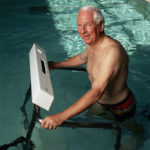
Kinesiotherapists develop and monitor exercise programs to help people regain muscle strength and function lost due to injury or disease. Some kinesiotherapists focus on specific types of patients or conditions, such as people recovering from injuries or those with degenerative musculoskeletal disease.
Kinesiotherapists know all about anatomy and how each part of the body works by itself and in conjunction with other body parts. They guide patients through therapeutic exercise, aquatic therapy, learning to walk, using prosthetics/orthotics and developing a lifelong exercise regimen. They then choose exercises that will achieve specific strength or mobility enhancing goals, without causing the patient pain or further damage. Kinesiotherapists emphasize the psychological as well as physical benefits of therapeutic exercise for rehabilitation.
For each patient, the kinesiotherapist will:
- Evaluate the person’s mobility, strength and endurance
- Discuss treatment goals
- Educate the patient about how the body works and what is causing the impairment
- Develop an appropriate, targeted treatment plan
- Guide the patient in performing exercises correctly
- Monitor progress
- Modify the plan as needed to achieve specific goals
- Provide appropriate adaptive equipment and training
- Provide training for caregivers
In addition to choosing the right exercises, a successful outcome depends on how well the therapist and patient work together. Building rapport and motivating the patient to do the exercises regularly is a key role of the kinesiotherapist.
To be a successful kinesiotherapist, you must be intelligent and honest, practice good judgment and have good interpersonal skills and the capacity to react to emergencies in a calm reasoned manner.
Working Conditions
Kinesiotherapists work in every type of health care setting, including hospitals, rehabilitation centers, sports medicine facilities, fitness centers, colleges and universities, Workman’s Compensation programs and private offices. They may also be self-employed as a consultant for individuals with physical limitations.
Salary Range and Outlook
Starting salaries for registered kinesiotherapists range from $36,000 to $47,000 a year. The national salary range for a full-time registered kinesiotherapist position is $60,000 to $90,000. The national average salary for registered kinesiotherapists is $78,000.
Academic Requirements
To become a kinesiotherapist, you must graduate from an accredited kinesiotherapy program with a bachelor’s degree. You can expect to take a lot of science courses, including anatomy and physiology, for example.
In addition to classroom study, students perform a minimum of 1,000 hours of clinical work under the supervision of a registered kinesiotherapist.
Passing the kinesiotherapy registration examination provides certification of the therapist’s knowledge and skills.
Learn More About a Career as a Kinesiotherapist
- Watch videos that explain kinesiotherapy, its specialties and disciplines, history and accreditation and the education and training needed to become a kinesiotherapist.
- Read a profile of a kinesiotherapist and get more information about this career.