


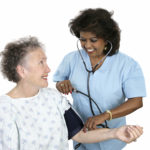
Geriatric staff nurses focus on caring for older adults. As the U.S. population ages, this career is in high demand. According to the U.S. Census, by 2050 more than 20% of Americans—88 million people—will be over age 65. Yet less than 1% of registered nurses and 3% of advanced practice registered nurses are certified in geriatrics, according to the American Geriatric Society.
Geriatric nurses are educated to understand and treat the often complex physical and mental health needs of older people. They try to help their patients protect their health and cope with changes in their mental and physical abilities, so older people can stay independent and active as long as possible.
Geriatric nurses must enjoy working with older people. They must be patient, listen extremely carefully and balance the needs of their patients with sometimes conflicting demands from family members.
When working with their patients, a geriatric nurse will:
- Assess the patient’s mental status and cognitive (thinking) skills
- Understand patient’s acute and chronic health issues
- Discuss common health concerns, such as falls, incontinence, changing sleep patterns and sexual issues
- Organize medications
- Educate the patient about personal safety and disease prevention
- Explain and recommend adjustments to the patient’s medication regimen to ensure adherence
- Link the patient with local resources as needed
Many older people have health conditions that do not require hospitalization, but must be treated with medication, changes in diet, use of special equipment (such as a blood sugar monitor or walker), daily exercises or other adaptations. Geriatric nurses help design and explain these healthcare regimens to patients and their families. They often function as “case managers,” linking families with community resources to help them care for elderly members.
Working Conditions
Geriatric nurses work in a variety of practice settings such as hospitals, nursing homes, rehabilitation facilities, senior centers, retirement communities and patients’ homes. They often work as part of a care team that includes physicians, social workers, nursing aides, physical and occupational therapists and other caring professionals.
In hospitals, geriatric nurses tend to work with treatment teams that have large older patient populations, such as outpatient surgery, cardiology, rehabilitation, ophthalmology, dermatology and geriatric mental health (treating older patients with psychiatric conditions, such as Alzheimer’s, anxiety and depression).
In rehabilitation and long-term care facilities, geriatric nurses manage patient care from initial assessment through development, implementation and evaluation of the care plan. They may also take on administrative, training and leadership roles.
Salary Range and Outlook
Because of the aging population, there is increasing demand for geriatric nurses, especially in nursing homes and health care facilities that have a high older patient population. Bilingual nurses, particularly those fluent in both Spanish and English, are needed. Geriatric nurses are registered nurses, or RNs. The average salary for a registered nurse is $86,070, but salaries vary greatly depending on your experience, education, and where you work.
Academic Requirements
In preparation for a career in geriatric nurses, many individuals volunteer at a local senior center, nursing home or hospice and seek experiences working with patients who have mobility issues, sensory (hearing and sight) deficits, cognitive impairments, and chronic and terminal disease. It is important to assess your ability to handle the physical and emotional challenges of working with patients who may not ever “get well.”
To become a geriatric nurse, you must become a registered nurse by first earning a Bachelor of Science in Nursing at an accredited four-year college or an associate degree or diploma. After graduation, you must pass a national licensing exam called the NCLEX-RN before you can practice as a nurse.
Once you have gained some work experience, you can pursue certification as a geriatric nurse. With additional education at the graduate level, you can become a gerontological nurse practitioner or geriatric clinical nurse specialist. Graduate education is typically required for specialist, administrative or supervisory roles, and for geriatric nursing research.