Technologists & Technicians Overview
Healthcare technologists and technicians are the highly skilled professionals who operate the equipment, conduct the tests, and manage the data that power modern medicine. Working both behind the scenes and on the front lines, they play a vital role in ensuring that physicians and care teams have the precise information needed to diagnose, treat, and monitor patients.
This broad career pillar encompasses a wide range of specialized roles. Some technologists and technicians use advanced imaging tools like X-rays, MRIs, or ultrasounds to view the inner workings of the body. Others focus on laboratory science — preparing blood for transfusions, analyzing bodily fluids, or examining tissue samples for signs of illness. While some interact directly with patients, many work in lab settings or operate complex systems that require attention to detail, strong technical skills, and a solid foundation in biology and chemistry.
Most of these careers can be entered with a two-year associate degree or a postsecondary certificate. However, certain specialties — particularly in medical laboratory science — may require a bachelor’s degree. Certification or licensure is often required, and ongoing education is essential to keep pace with rapid advancements in medical technology and safety standards.
This career path offers a relatively fast and affordable entry into the healthcare field, with many roles providing job stability, flexible schedules, and room for advancement. Whether you're drawn to technology, fascinated by how the human body works, or eager to contribute to lifesaving care in a hands-on or analytical way, this pillar offers a dynamic and rewarding professional path.
From the ER to the research lab, technologists and technicians are indispensable to healthcare — even if they’re not always at the bedside, their impact is felt in every diagnosis and decision.
Learn more
- Overview of various healthcare technologist and technician roles including responsibilities and average salaries
- Benefits of advancing from a technician to a technologist role in healthcare
- Roles of medical technicians and technologists
Related Careers

Blood Bank Technology Specialist
Salary: $58K - 78K

Cardiovascular Technologist / Technician
Salary: $27K - 140K

Cytogenetic Technologists
Salary: $58K - 95K

Cytotechnologist
Salary: $61,232

Diagnostic Medical Sonographer
Salary: $28K - 87K

Emergency Medical Technician
Salary: $31,020
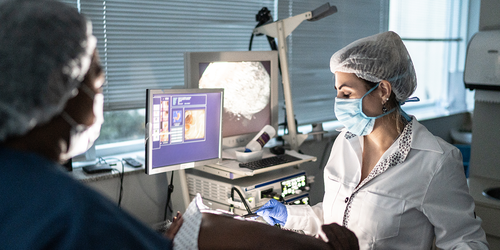
Endoscopy Technicians
Salary: $35K - 62K

Forensic Biologist
Salary: $27K - 52K

Forensic Chemist
Salary: $27K - 52K

Forensic Toxicologist
Salary: $34K - 64K

Health information Technologists and Medical Registrars
Salary: $40K - 75K

Health Technologists and Technicians, all other
Salary: $53K - 62K

Histology Technicians
Salary: $38K - 62K

Histotechnologists
Salary: $51K - 85K

Magnetic Resonance Imaging Technologists
Salary: $58K - 98K

Medical and Clinical Laboratory Technicians
Salary: $35K - 65K

Medical Laboratory Scientist/Technician
Salary: $25K - 85K

Nuclear Medicine Technologist
Salary: $65,000

Ophthalmic Laboratory Technician
Salary: $20K - 49K

Ophthalmic Medical Technician
Salary: $42K - 60K

Ophthalmic Medical Technologists
Salary: $42K - 68K

Optician (Dispensing)
Salary: $38,840

Phlebotomist
Salary: $25K - 30K

Radiologic Technologist
Salary: $62,761

Surgical Technologist
Salary: $44,420